

Threat researchCisent
The University of Chile Clinical Hospital learned of its data leak from the national cyber agency
Imaging test data on its patients surfaced on an online forum, and the warning came from the agency, not from the hospital's own systems.
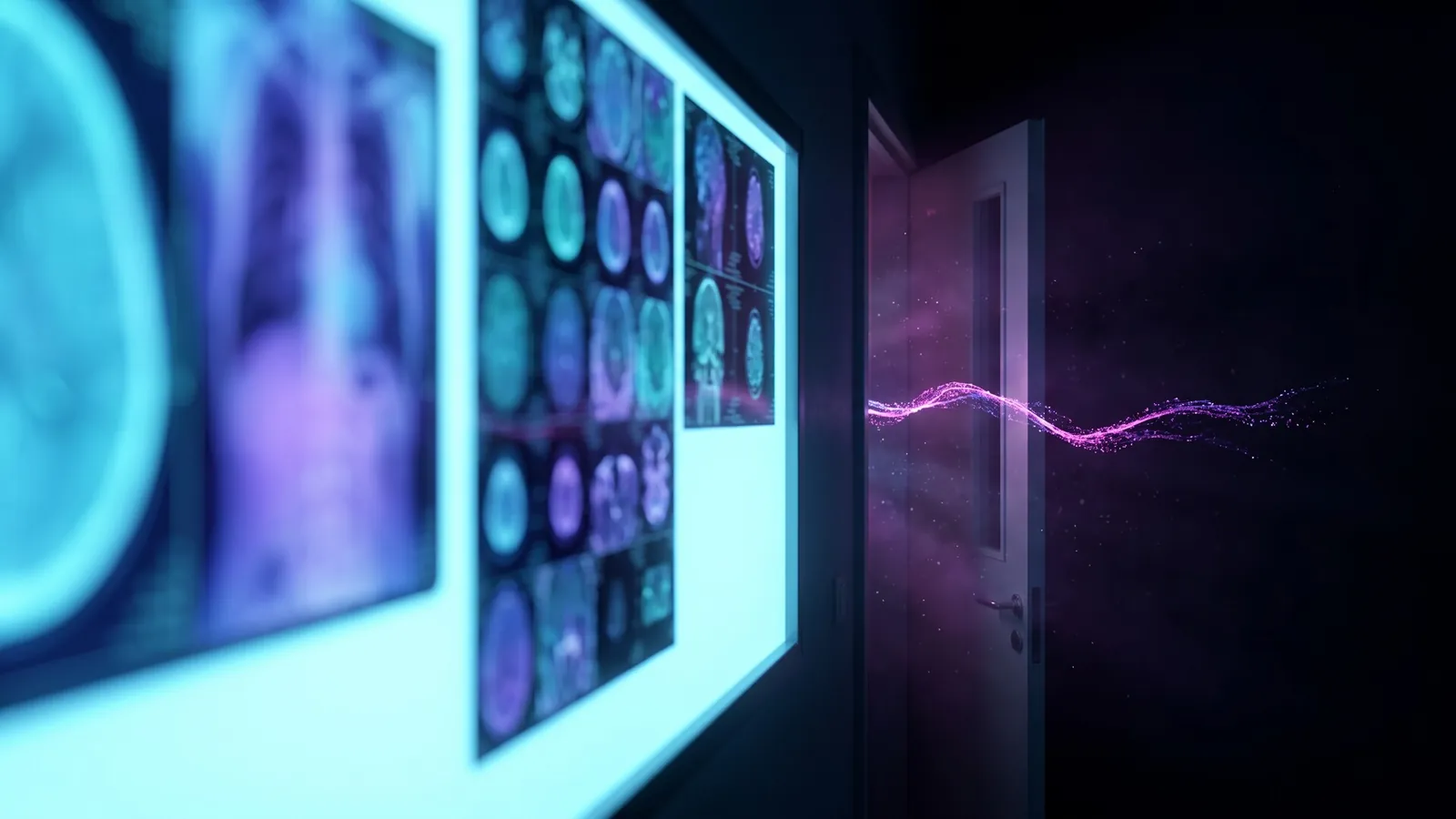
On Sunday, September 20, 2026, Chile’s National Cybersecurity Agency (ANCI) told the University of Chile that a database with patients of its Clinical Hospital was circulating on an online forum. The system administrator confirmed the data was real, and on September 30 the hospital filed a criminal complaint for unlawful access and receipt of stolen computer data.1
What happened
According to the complaint, outsiders got into the RIS PACS platform of the hospital’s Imaging Department, the system that stores and displays X-rays, scans and other tests. The exposed data includes patients’ national ID numbers, names, ages and dates of birth, the date and type of each test, the requesting physician and the results.1
The hospital disabled the compromised account, suspended the external viewing platform and asked the platform’s vendor to contain the incident. It still hasn’t been able to establish how much information was taken.1
Before that warning, on August 30, the Direwolf ransomware group had listed the hospital on its leak site, claiming to hold 240 GB of data, according to the Chilean firm CronUp.2 That figure comes from the attacker and nobody has confirmed it.
Why it matters
Healthcare is where a leak weighs the most: a test result can’t be changed like a password. And in this case the problem wasn’t only the break-in: the hospital found out from the outside.
A valid account that starts downloading test results looks normal to a system that only checks whether the password is right. The difference lies in watching what that account does, where it connects from and where the information goes.
Where Cisent comes in
Sentinel Defense detects, assesses and blocks attacks in real time, alongside the EDR, the firewall and the other sources an organization already has. An intrusive connection that starts pulling out test results shows up in what those tools record, and Defense assesses it and blocks it on the spot, instead of waiting for someone to find it weeks later on a forum.
Sources
T13, “Hospital Clínico de la U. de Chile se querella tras sufrir ciberataque y filtración de información médica confidencial” (in Spanish), September 30, 2026. https://www.t13.cl/noticia/nacional/hospital-clinico-chile-querella-tras-ciberataque-filtracion-informacion-confidencial-30-9-2026↩︎
CronUp, “Chile bajo ataque: agosto 2026 rompe todos los récords de ransomware en la historia del país” (in Spanish), updated September 2, 2026. https://www.cronup.com/chile-bajo-ataque-agosto-2026-rompe-todos-los-records-de-ransomware-en-la-historia-del-pais/↩︎