

Threat researchCisent
A cyberattack knocked Chile's Huatacondo solar plant off the power grid
Chile's grid operator wrote in its log that a cyberattack disconnected the plant and its batteries from the system. Almost two months later, they were still unavailable.
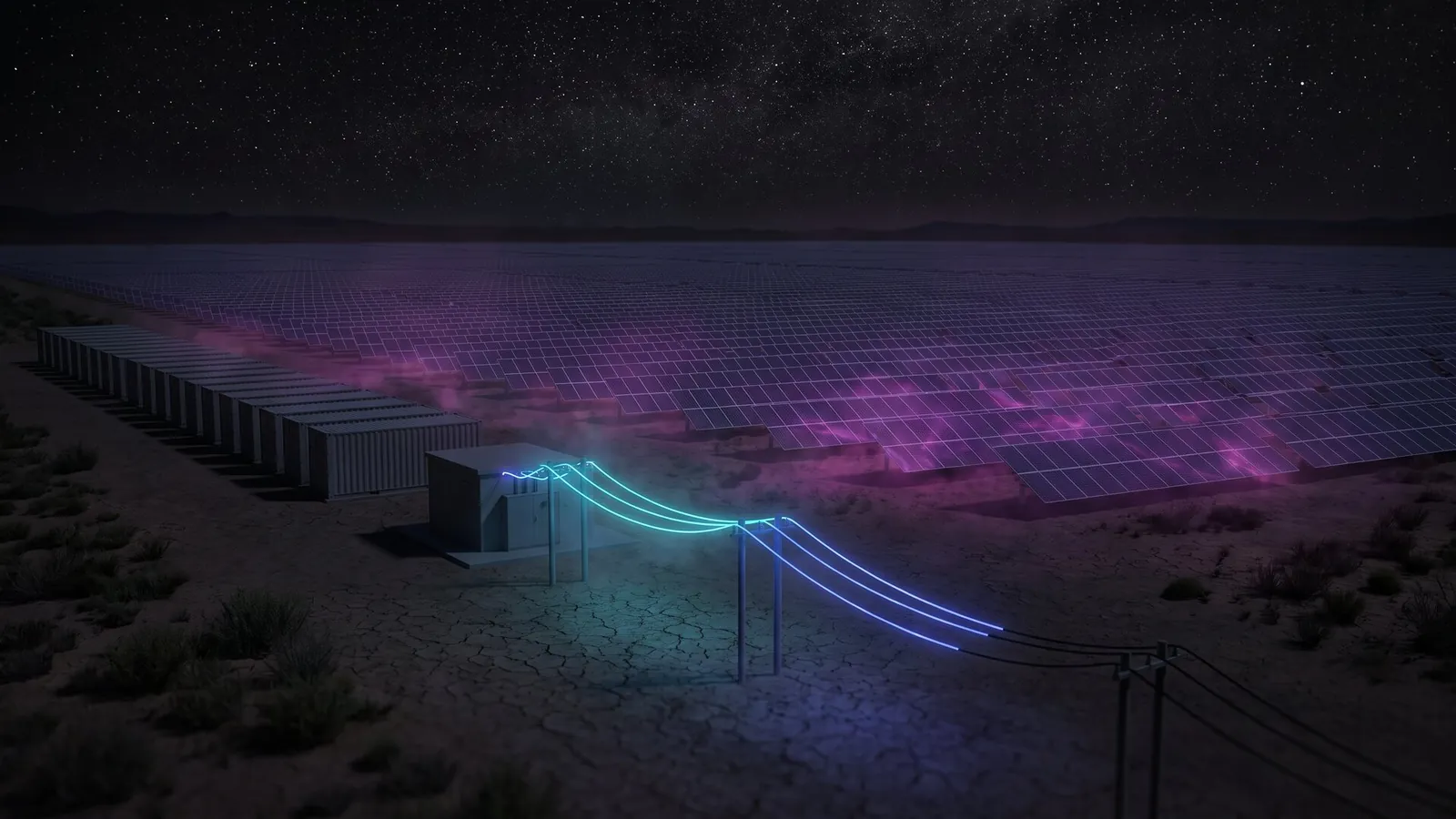
On October 23, 2026, Diario Financiero reported that a cyberattack hit the Huatacondo solar plant, in Pozo Almonte, in Chile’s Tarapacá Region, at the end of August and disconnected it from the national power grid. The fact doesn’t come from a press release: it’s in the log of Chile’s grid operator, the Coordinador Eléctrico Nacional.1
What happened
According to the log, on August 27 at 13:10 the photovoltaic plant and its battery energy storage system (BESS) went off the grid. The cause was written down plainly: the cyberattack on the Huatacondo facilities left both the plant and the BESS disconnected from the system.1
At the same time, the TR1 220/23 kV transformer at the Santa Rita substation, which connects the plant to the grid, was disconnected. The grid operator attributed it to the same cause: “due to a cyberattack”.1
Since August 28, the plant and its batteries have shown 0% availability in the grid operator’s daily reports. That was still the case at least in the report for October 17, almost two months later.1
Huatacondo has 103 MW of installed capacity and about 365,000 panels across some 150 hectares of the Atacama Desert, and it cost US$121 million. It was built by Eiffage Energía Sistemas and opened in September 2019. It belongs to a consortium led by Japan’s Sojitz, with 60%; Shikoku Electric Power holds 30% and France’s Eiffage, 10%.1
Why it matters
It’s an official record that a cyberattack took a power plant off the grid in Chile, and it doesn’t come from a criminal group or a leak: it comes from the log of the body that runs the grid.1
And what isn’t known weighs as much as what is. The report doesn’t say who attacked, how they got in, whether there was a ransom demand, or why the plant was still unavailable almost two months later.1
Where Cisent comes in
Sentinel Report builds the report for each incident while it’s still open: the summary for the board, the technical evidence for IT, the backup for the insurer and, when Chile’s Law 21.663 requires it, the reports to ANCI on its deadlines, starting with the early alert within 3 hours. It gathers the evidence and seals it with a hash chain, so that what was reported on day one still holds up two months later.
Sources
Equipo Señal DF, Diario Financiero, “Coordinador Eléctrico registró ciberataque en planta solar Huatacondo” (in Spanish), October 23, 2026. https://www.df.cl/senal-df/datos-de-sobremesa/coordinador-electrico-registro-ciberataque-en-planta-solar-huatacondo↩︎