

Threat researchCisent
Warlock hit a water utility and a telecom provider through SharePoint flaws from 2025
Symantec attributes the attacks to a China-linked group that also breached a regional government body and a university in Spanish- and Portuguese-speaking countries.
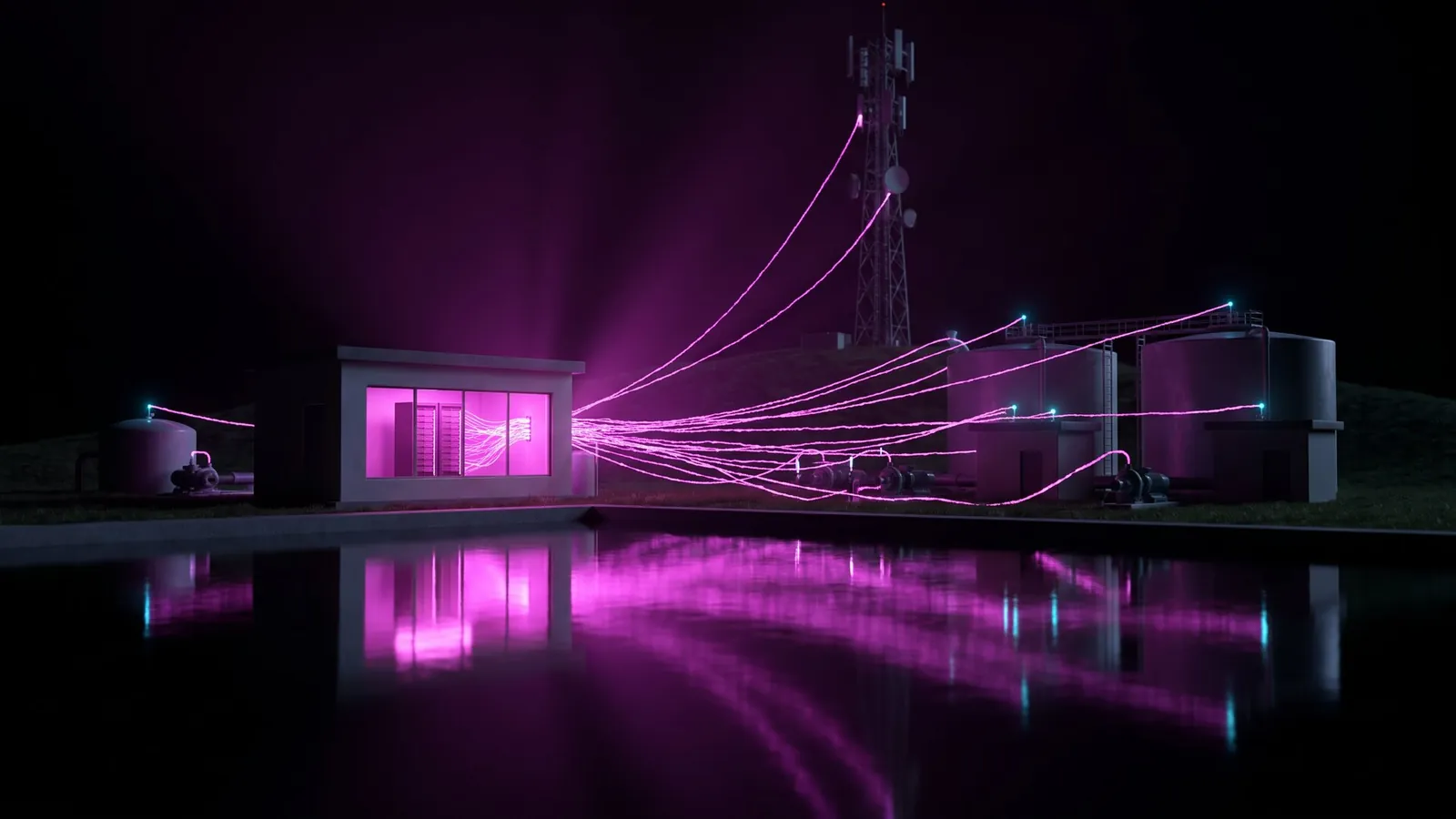
On October 1, 2026, the Symantec and Carbon Black Threat Hunter Team reported that, over the previous two months, the group behind the Warlock ransomware attacked at least four organizations: a water utility, a telecommunications provider, a regional government body and a university. All of them are in Spanish- and Portuguese-speaking countries across Europe, Africa and Latin America.1 Symantec doesn’t name the victims or their countries.
Who they are
Symantec calls the group that develops Warlock Longlegs, also known as Storm-2603, and describes it as China-linked.1 Warlock emerged in June 2025 and became known a month later, when it exploited ToolShell, a chain of zero-day flaws in SharePoint Server (CVE-2025-49704, CVE-2025-49706, CVE-2025-53770 and CVE-2025-53771).12
How one of the attacks unfolded
Symantec reconstructed the intrusion at one of the critical infrastructure victims, which ran from July 22 to July 31, 2026:1
- Getting in (July 22). The attackers planted a web shell on one of the organization’s SharePoint servers. The group typically uses it to steal the server’s ASP.NET machine keys and, with them, sign code that SharePoint accepts as valid and runs inside its own process.1
- Reconnaissance (July 24 to 29). They got into a second SharePoint server, re-tested the web shell, created administrator accounts on several machines and used NetExec to map Active Directory, try passwords and run commands remotely.1
- Remote access. On one machine they installed Visual Studio Code as a service, to get in remotely through its tunnel feature, and they pulled installers from Catbox and Wasabi, two cloud file services.1
- The strike (July 31). In the early hours, they pushed a tool that disables security software to at least 40 machines in about two hours. Then they staged Warlock in SYSVOL, the domain folder that is copied automatically to every domain controller and that every machine in the domain can read, and ran it on at least 33 machines.1
To disable security tools, the group usually abuses K7RKScan, a signed but vulnerable driver (CVE-2025-1055). In this intrusion, Symantec couldn’t identify which driver was used.1
Why it matters
ToolShell dates from July 2025. For Symantec, exploiting ToolShell and related SharePoint flaws is still a viable way in for attackers.1 A SharePoint server run by the organization itself and left unpatched is still an open door more than a year later, and this time the victims speak Spanish and Portuguese.
Where Cisent comes in
Sentinel Defense detects, assesses and blocks attacks in real time, alongside the EDR, the firewall and every connected source. In this intrusion, the attacker left signals days before encrypting anything: a web shell, new administrator accounts, a tunnel installed as a service and downloads from file services. Defense doesn’t wait for anyone: it blocks an external attacking IP or an intrusive connection on its own, and asks before anything with impact, such as isolating a machine. Every action is recorded.
Sources
Symantec and Carbon Black Threat Hunter Team, “Warlock Ransomware Attackers Hit Water and Telecom Operators”, October 1, 2026. https://www.security.com/threat-intelligence/warlock-ransomware-critical-infrastructure↩︎
Ionut Ilascu, BleepingComputer, “Warlock ransomware breach SharePoint in water, telecom operator attacks”, October 2, 2026. https://www.bleepingcomputer.com/news/security/warlock-ransomware-breach-sharepoint-in-water-telecom-operator-attacks/↩︎